

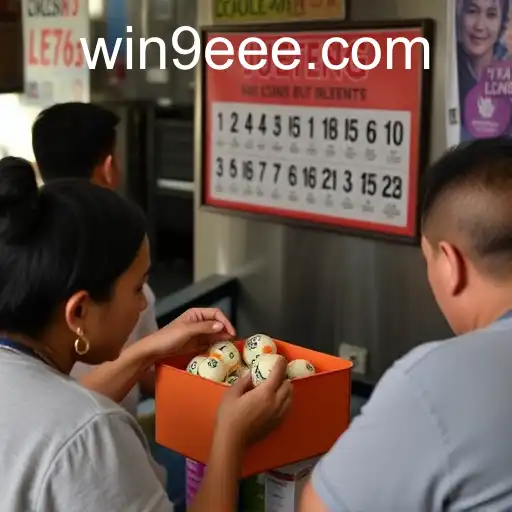
The Intricacies of Jueteng in the Philippines
Jueteng, a popular yet controversial numbers game in the Philippines, remains a topic of intrigue and debate. Despite being illegal, jueteng continues to flourish, deeply rooted in Filipino culture and society.
The Origins and Mechanics of Jueteng
Originating in the Philippines during the Spanish colonial era, jueteng derives its name from a combination of two Hokkien Chinese words: "hue" meaning flower and "teng" referring to a bet. Over the centuries, this local numbers game has evolved while maintaining its basic format, involving small betting amounts and the irresistible allure of quick wins.
The gameplay involves a bettor selecting a combination of two numbers, ranging from 1 to 37. A winning combination is determined through a draw, traditionally conducted using small balls or papelitos marked with numbers and placed into a container where the winning numbers are drawn out.
Why Jueteng Persists
Jueteng remains widespread due to several factors, including its deep social and economic implications. For many, jueteng provides a sense of hope, a chance to change their lives with minimal stakes.
Its deeply ingrained presence in Philippine society makes it more than just an illegal numbers game; it is a part of everyday life for many Filipinos, especially those in financially precarious situations.
The Economic Impact of Jueteng
In economic terms, jueteng represents an underground economy that extends its reach across several provinces. Many argue that jueteng serves as a financial crutch for those struggling to make ends meet, offering them a small fraction of hope for escape from poverty.234bet
However, given its illegal nature, jueteng generates more than just monetary investment; it involves a complex web of corruption and economic disparity.
Jueteng and Corruption
Corruption, frequently associated with jueteng, significantly affects governance and public perception. Allegations of government officials and law enforcement pocketing money from the proceeds of jueteng are nothing new. With the high stakes and profitable returns, the game often garners protection from figures in power.55 WW
This relationship creates a cycle of impunity, enabling jueteng operators to continue their operations unchecked while fostering an environment of corruption and exploitation.
Attempts to Stamp Out Jueteng
Government attempts to eradicate jueteng have met with limited success. Efforts range from police crackdowns and legislative measures to awareness campaigns aimed at warning the public of its negative impacts.66DV
Despite these efforts, enforcement is inconsistent, marred by allegations of bribery and collusion with jueteng operators. Moreover, jueteng has entrenched itself in society so substantially that removing it requires more than just punitive measures—it demands cultural and economic shifts.POPBEM
Legislative Landscape and Jueteng
The legal framework surrounding jueteng presents challenges. The game's persistent popularity highlights the gaps in law enforcement and governance.
Some political figures have brought forward proposals to legalize and regulate jueteng as a method to harness its economic potential and minimize corruption. Proponents argue that this move could ensure an influx of revenue into government coffers, reserved for public projects and social welfare programs.
However, detractors warn that legalization might only perpetuate poverty and addiction, exploiting marginalized communities with promises of wealth while benefitting the few in power.
The Cultural Significance of Jueteng
Beyond economics and legality, jueteng holds a distinctive place in Philippine culture. For many participants, it is more than just gambling; it is a form of social interaction, a means to foster community ties, and a historical tradition.688V
Its integration into Filipino tradition and society renders it a cultural mainstay—a symbol of resilience against hardship and the pursuit of fortune.
The Ethical Debate
The ethical considerations of jueteng extend into multifaceted arguments. Critics argue that jueteng exploits the poor, feeding off vulnerability and offering false hope of riches. However, some suggest that it does little harm compared to other societal vices.
This debate touches on fundamental questions of morality versus survival, highlighting society's struggle with acceptance versus vilification of actions driven by economic desperation.
Future of Jueteng in the Philippines
The fate of jueteng remains uncertain. While efforts to curb its spread continue, its deep roots in society and culture pose substantial challenges. Effective long-term solutions may require comprehensive approaches that address not only legal enforcement but also the social and economic conditions underpinning its persistence.
The discussion surrounding jueteng continues to evolve as stakeholders seek balance between its financial allure and its societal impact. Whether through continued crackdown or potential regulation and integration into the legal economy, jueteng's future involves complex considerations stemming from its checkered but enduring legacy in Filipino society.